Cabinet Care, Maintenance & Countertop Guide
Keeping your cabinetry and countertop surfaces looking beautiful for years starts with proper care and maintenance. Whether your home features solid wood cabinets, manufactured wood cabinetry, granite, quartz, butcher block, or concrete surfaces, following the right care, maintenance, countertop recommendations will protect your investment and preserve the beauty of your kitchen or bathroom. At Creative Cabinets Pro, we believe quality craftsmanship deserves quality care.
Cabinet Care, Maintenance & Countertop Tips for Real Wood Cabinets
Solid wood cabinetry is known for its natural beauty, warmth, and longevity. Like any natural material, wood responds to changes in humidity and temperature, making routine care, maintenance, countertop awareness an important part of protecting your kitchen.
For everyday cleaning, wipe cabinets with a soft microfiber cloth and a mild solution of warm water and a few drops of dish soap. Dry the surface immediately with a clean towel to prevent moisture from sitting on the finish.
Avoid:
- Abrasive cleaners or scrubbing pads
- Ammonia or bleach-based cleaners
- Furniture polish containing silicone or wax
- Excessive moisture or steam
To keep wood cabinetry looking its best:
- Clean spills promptly.
- Maintain indoor humidity between 35% and 55%.
- Avoid hanging damp towels over cabinet doors.
- Protect cabinets from prolonged direct sunlight whenever possible.
Proper care, maintenance, countertop habits help preserve the original finish and reduce unnecessary wear over time.
Cabinet Care, Maintenance & Countertop Tips for Manufactured Wood Cabinets
Manufactured wood products, including MDF and furniture-grade plywood with durable finishes, offer exceptional performance while requiring relatively simple maintenance.
Routine cleaning is easy:
- Use a damp microfiber cloth.
- Clean with mild soap and warm water.
- Dry immediately after wiping.
Avoid:
- Harsh chemical cleaners
- Abrasive pads
- Saturating cabinet surfaces with water
Although manufactured finishes are highly durable, standing water around sinks, dishwashers, or under cabinet edges should always be cleaned quickly. Consistent care, maintenance, countertop practices help preserve both appearance and longevity.
Care, Maintenance & Countertop Guide for Granite, Quartz, Butcher Block & Concrete
Different countertop materials require different maintenance routines. Understanding your surface helps ensure long-lasting beauty and performance.
Granite Countertops
Granite is a natural stone that offers exceptional durability and unique character.
For granite:
- Clean with warm water and a pH-neutral stone cleaner.
- Wipe spills quickly, especially oils, wine, coffee, and acidic foods.
- Use cutting boards instead of cutting directly on the stone.
- Reseal the surface as recommended, typically every one to three years depending on use.
Following proper care, maintenance, countertop recommendations helps granite remain beautiful for decades.
Quartz Countertops
Quartz countertops combine natural quartz with advanced resins to create a non-porous surface.
Quartz requires very little maintenance:
- Clean with mild soap and water.
- Avoid abrasive cleaners.
- Always use trivets or hot pads for extremely hot cookware.
- Do not use harsh chemical strippers or oven cleaners.
Unlike granite, quartz generally does not require sealing, making care, maintenance, countertop responsibilities much simpler for busy homeowners.
Butcher Block Countertops
Wood countertops bring warmth and character to any kitchen but require regular attention.
To maintain butcher block:
- Wipe spills immediately.
- Clean with mild soap and water.
- Sanitize food preparation areas when needed.
- Apply food-safe mineral oil or butcher block conditioner regularly to prevent drying and cracking.
Never allow standing water to remain on the surface. Consistent care, maintenance, countertop routines are essential for preserving natural wood countertops.
Concrete Countertops
Concrete countertops provide a modern, custom appearance with exceptional durability.
To care for concrete:
- Clean with a pH-neutral cleaner.
- Wipe spills promptly.
- Use cutting boards and trivets.
- Reseal the surface as recommended to protect against staining.
Because concrete is naturally porous, proper care, maintenance, countertop practices play an important role in preventing discoloration and extending the life of the finish.
Everyday Care, Maintenance & Countertop Best Practices
Regardless of the materials in your kitchen or bathroom, a few simple habits will help protect your investment.
Always:
- Clean spills as soon as possible.
- Use cutting boards instead of cutting directly on countertops.
- Place hot cookware on trivets or hot pads.
- Avoid abrasive cleaners and steel wool.
- Use soft microfiber cloths whenever possible.
- Follow manufacturer recommendations for specialty surfaces.
Routine care, maintenance, countertop attention takes only a few minutes but can significantly extend the life and beauty of your cabinetry and countertops.
Trust Creative Cabinets Pro for Expert Advice
Since 1989, Creative Cabinets Pro has helped homeowners throughout Danville and the surrounding communities choose cabinetry and countertops that fit their lifestyle and budget. Whether you’re caring for existing cabinets or selecting materials for a new remodel, we’re happy to help you understand the best products, finishes, and maintenance routines for your home.
Have questions about cabinet finishes, countertop materials, or long-term maintenance? Visit our showroom or contact Creative Cabinets Pro to speak with our experienced team. We’re always happy to help you protect your investment with the right care, maintenance, countertop guidance.
Frequently Asked Questions About Cabinet Care, Maintenance & Countertops
How should I clean my kitchen cabinets?
For most cabinets, a soft microfiber cloth, warm water, and a small amount of mild dish soap are all that’s needed for routine cleaning. Avoid abrasive pads, harsh chemicals, bleach, ammonia, or cleaners containing wax or silicone, as these can damage the cabinet finish. Always dry cabinet surfaces after cleaning to prevent moisture from lingering.
What’s the best way to care for solid wood cabinets?
Solid wood cabinets benefit from consistent care and stable indoor humidity. Wipe up spills quickly, avoid excessive moisture, and keep humidity levels between 35% and 55% whenever possible. These simple maintenance practices help prevent warping, shrinking, or cracking over time.
Are manufactured wood cabinets cleaned differently?
Not significantly. Cabinets made from furniture-grade plywood or MDF with durable finishes should be cleaned with a damp microfiber cloth and mild soap. Avoid soaking the surface with water and clean up spills promptly around sinks and dishwashers.
How do I clean quartz countertops?
Quartz countertops are among the easiest surfaces to maintain. Clean them daily with warm water, mild dish soap, or a non-abrasive household cleaner. Because quartz is non-porous, it does not require sealing. However, it’s still best to use cutting boards and hot pads to protect the surface from scratches and excessive heat.
Do granite countertops need to be sealed?
Yes. Granite is a natural stone and should be sealed periodically to help protect against staining and moisture absorption. Depending on the type of granite and how heavily it’s used, resealing is typically recommended every one to three years. If water no longer beads on the surface, it may be time to reseal.
What’s the difference between caring for granite and quartz countertops?
Granite requires occasional sealing because it is a natural, porous stone. Quartz is engineered to be non-porous, so it doesn’t need sealing. Both surfaces should be cleaned with mild cleaners and protected from excessive heat and impacts for the longest lifespan.
How often should butcher block countertops be oiled?
New butcher block countertops often benefit from monthly applications of food-safe mineral oil during the first year. After that, oiling every two to three months, or whenever the wood begins to look dry—helps prevent cracking, drying, and moisture damage.
Are concrete countertops difficult to maintain?
Concrete countertops require a bit more maintenance than quartz but are very durable when properly cared for. They should be sealed according to the manufacturer’s recommendations and cleaned with pH-neutral cleaners. Wipe up acidic foods and spills promptly to help protect the sealer.
Can I place hot pans directly on my countertops?
It’s always best to use trivets or hot pads, regardless of the countertop material. While granite is highly heat resistant, sudden temperature changes can stress natural stone. Quartz can be damaged by excessive heat because of the resins used during manufacturing. Butcher block and concrete also benefit from heat protection.
What cleaners should I avoid on cabinets and countertops?
Avoid abrasive scrubbing pads, steel wool, bleach, ammonia, oven cleaners, paint removers, highly acidic cleaners, and products containing harsh solvents unless they are specifically approved for your surface. Mild soap, warm water, and soft microfiber cloths are safe for most cabinetry and countertop materials.
How can I keep my cabinets and countertops looking new for years?
Routine cleaning, prompt spill removal, avoiding harsh chemicals, using cutting boards, protecting surfaces from excessive heat, and following the recommended care and maintenance guidelines for your specific countertop and cabinet materials are the best ways to preserve their beauty and extend their lifespan.
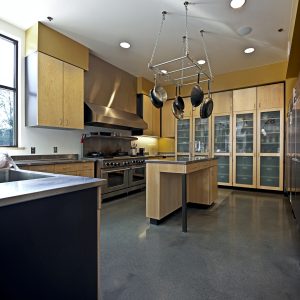 Kitchen featuring custom cabinetry and durable quartz countertops.
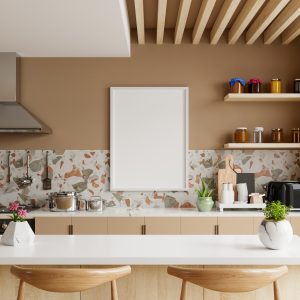 Modern kitchen with custom cabinetry and quartz countertops.
 Happy couple celebrating in a bright modern kitchen with custom cabinets and quartz countertops
 Modern kitchen with custom cabinetry, quartz countertops, and contemporary finishes.
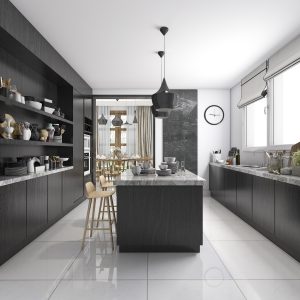 Modern Kitchen with Dark Wood Cabinets and Gray Marble Countertops.
 Modern Gray Kitchen with Wood Accents and Quartz Countertops